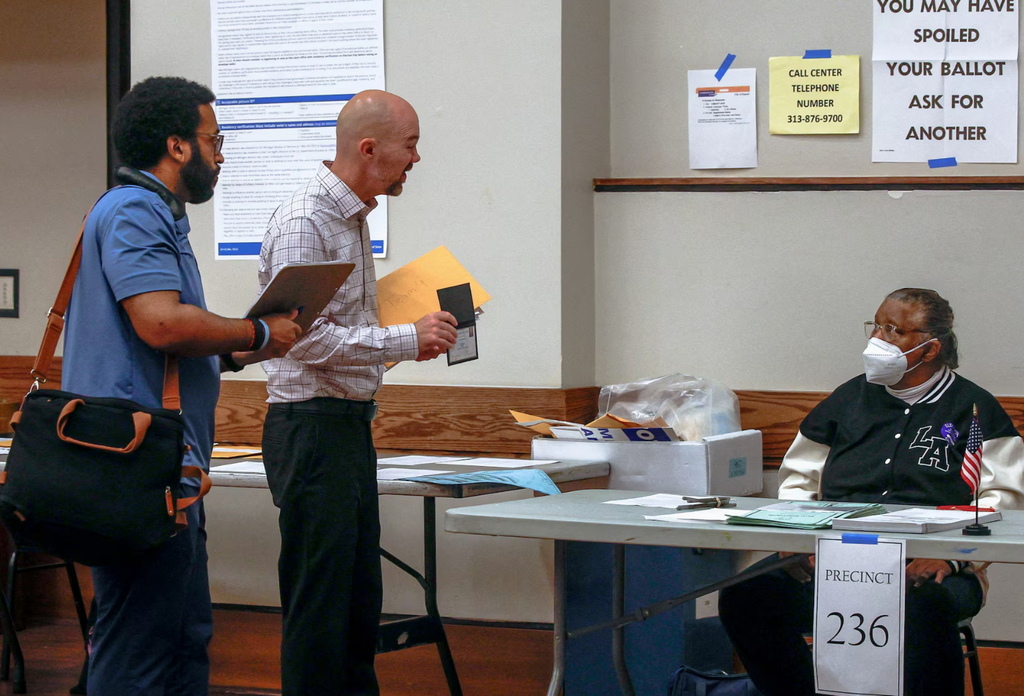
When Justice Department staffers arrived in Minnesota this summer to monitor the state’s primary election, they found themselves under scrutiny as well. Minnesota officials deployed about 40 state employees, working in pairs, to track the DOJ lawyers as they traveled through two counties during the August vote.
The monitoring effort reflected mounting tensions between Minnesota and the Trump administration over elections and immigration. Democratic Secretary of State Steve Simon said his office is likely to continue coordinating with the state attorney general’s office to shadow federal monitors during the November 3 midterms, when control of Congress is at stake. California has launched a similar program.
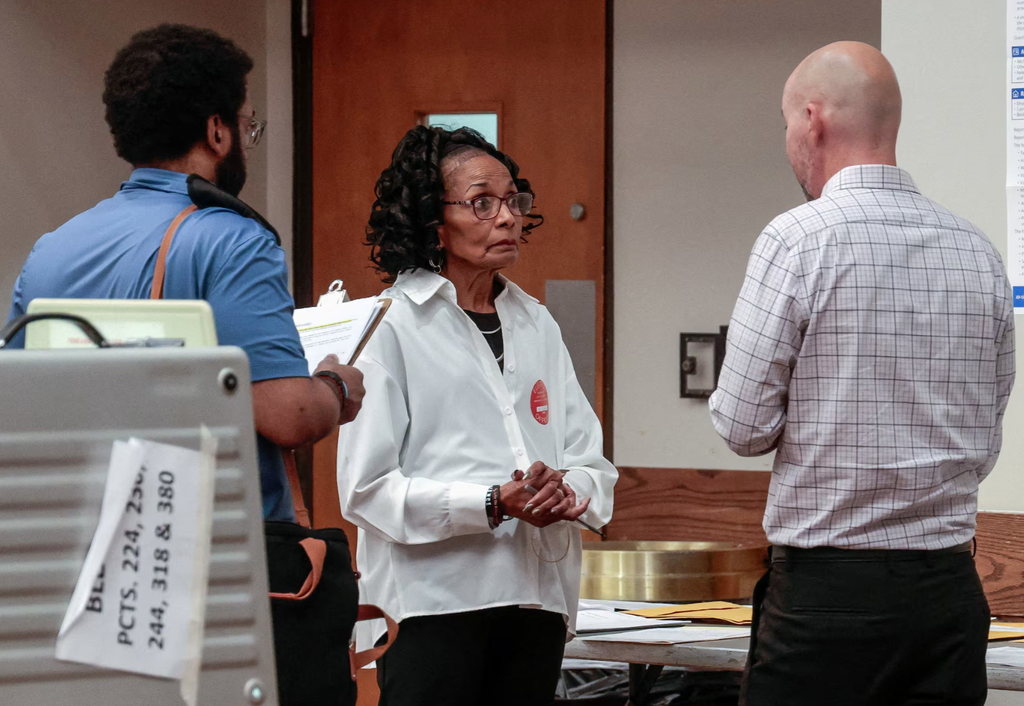
While Simon acknowledged the DOJ monitors were not disruptive, the moves by Minnesota and California nevertheless underscore the unease in Democratic-led and some Republican-led states about the DOJ’s plans to deploy about 1,000 monitors in all 50 states on Election Day, roughly triple the number in the last midterm election. The deployment would be the largest observation effort in the department’s history.
The Trump administration has taken an increasingly aggressive approach to election oversight, pressing states for voter-registration data and arguing that stricter measures are needed to ensure public confidence in the vote. Critics, including both Democratic and some Republican election officials, view the moves as federal overreach.
“They are the source of interference,” California Attorney General Rob Bonta, a Democrat, said in an interview, referring to the federal government. “They are the ones that are intimidating and creating the suppression.”
Justice Department officials accuse critics of fear-mongering about the monitor program, saying it will focus on compliance with civil rights laws as in prior elections.
DOJ spokesperson Kiersten Pels said the monitors will be trained not to interfere with election processes and will focus on countering voter intimidation and protecting access.
The DOJ has not yet revealed where monitors will be deployed, but department officials said priorities include areas with a history of voter access issues and places with competitive races that could be targets of voter intimidation.
Wall Street stocks finished higher Wednesday with the Dow advancing about seven-tenths of one percent,
The expanded monitor program has led several states to issue new guidelines to local election officials and poll workers about the limited authority DOJ observers will have on Election Day.
Some state and local laws allow election officials to prevent DOJ monitors from being present inside polling locations. DOJ staff can observe voting, speak to voters after they leave polling places and report immediate concerns to local law enforcement or election officials. But they cannot conduct investigations on the spot or otherwise stop anyone from voting.
In Nevada, the chief election official, Democrat Cisco Aguilar, said local law enforcement will be trained to remove any DOJ monitor breaking rules or refusing to leave a polling place if asked. In Maine, where a key race could help decide control of the Senate, the secretary of state has told local election
The Justice Department for decades has dispatched election monitors to document potential civil rights violations, such as polling locations that lack Spanish-language ballots or are inaccessible to people with disabilities.
The Trump administration has reshaped the DOJ’s Civil Rights Division, which runs the monitoring program, prompting an exodus of career staff and a new focus on election fraud and voting by non-US citizens.
The new emphasis has led some state officials, rights groups and former DOJ lawyers to fear the expanded program could be used as a tool to sow doubt about the security of the election, in which Democrats are widely expected to gain control of the House of Representatives and possibly the Senate.
“There’s never been a time when DOJ’s presence would have been viewed as this much of a threat,” said Stacey Young, a former DOJ lawyer who previously worked as an election monitor and now runs Justice Connection, an advocacy group that has opposed the Trump administration.
A particular concern among voter rights groups is the department’s plan to deploy criminal prosecutors as monitors, in a break with historical practice. The department has relied on civil lawyers and support staff in the past out of concern that the presence of criminal prosecutors at the polls could make voters apprehensive.
A major civil rights group, the NAACP, has sued to bar prosecutors and other law enforcement personnel from serving as monitors, arguing the Trump administration’s plans amount to voter intimidation.
A senior DOJ official, speaking on the condition of anonymity to discuss operational details, said voters were unlikely to notice a difference between prosecutors and other DOJ staff.
