A poll released Sunday shows that 40 percent of U.S. adults are buying or eating less produce after the cyclospora outbreak.
Comparatively, according to survey results from CBS/YouGov, 4 percent of people said they are eating more produce.
Among respondents, 56 percent said there has been no change in their diet.
Earlier this month, the Food and Drug Administration (FDA) launched an investigation into the outbreak.
On July 19, the FDA retracted test results that concluded iceberg lettuce from Taylor Farms was the source of the nationwide outbreak. The agency walked back the statement after company executives met privately with White House and FDA officials.
However, the Trump administration has said that despite the false positive declaration, the FDA maintains that epidemiological data links the outbreak to iceberg lettuce from Taylor Farms in central Mexico.
Forty-seven percent of survey participants say they do not trust the FDA to deal with the cyclospora outbreak, while 40 percent say they have some faith in the agency.
Thirteen percent of people said they have “a lot” of trust in the FDA’s ability to get the outbreak under control.
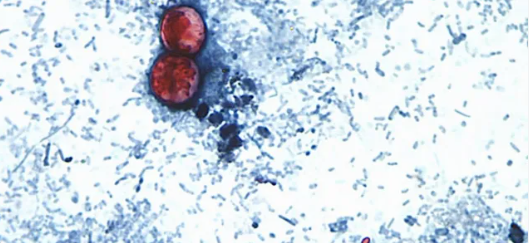
More than a thousand people have contracted cyclosporiasis as a result of a microscopic, single-celled parasite known as Cyclospora cayetanensis contaminating bagged iceberg lettuce.
Vulnerable foods include prepackaged bagged salads, leafy greens, basil, cilantro and berries, which have high risk due to textured surfaces and raw consumption.
Cyclospora creates an illness that infects the small intestine with symptoms ranging from frequent, watery diarrhea, severe fatigue, muscle aches, abdominal cramps, bloating and increased gas.
CBS and YouGov surveyed 2,193 U.S. adults nationally from July 22-24. The margin of error for the poll is 2.7 percentage points.
