A Vietnamese man with cardiovascular problems collapsed and died in the “Speedway Slammer,” the repurposed Indiana maximum-security prison that’s become a symbol of the Trump administration’s immigration crackdown. In a Pennsylvania detention center, a Chinese man who had previously attempted suicide was found hanging in the shower. In a New York facility, a Honduran man with an elevated heart rate and tremors from alcohol withdrawal died in his cell with no emergency care.
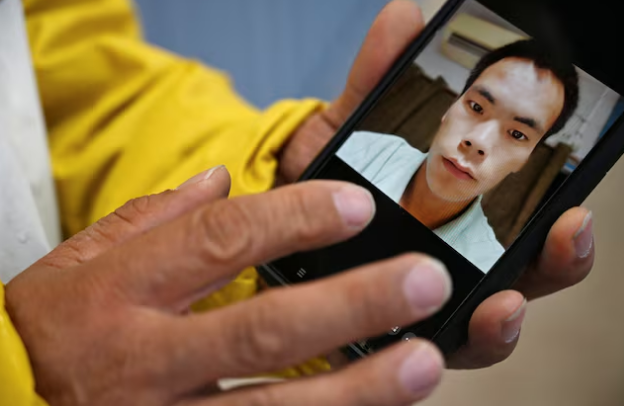
These men are among 50 people who have died in U.S. immigration detention since President Donald Trump launched his mass deportation campaign in January 2025, Immigration and Customs Enforcement records show.
Between 2009 and 2024, U.S. immigration facilities had one death annually for every 3,848 detainees, based on the facilities’ average daily population, a Reuters analysis of ICE data found. That rate has more than doubled since Trump returned to office, reaching about one death for every 1,630 people based on preliminary data through early June.
The data analyzed by Reuters was obtained by the Deportation Data Project through a public records request and processed by the Vera Institute of Justice, a nonprofit organization that advocates for lower incarceration rates.
The causes of detainee deaths can be complex and do not necessarily stem from neglect or abuse by detention-center administrators. But three experts in detention deaths who reviewed ICE records and autopsies for Reuters said the rising rate and other data points raised concerns about the quality of supervision and medical care in detention centers that have seen their populations balloon under Trump.
The population rose in the last year of Democrat Joe Biden’s administration, which stepped up enforcement amid election-year criticism. ICE held about 40,000 immigrants when Trump took office, up from a Biden-era low of about 14,000 in February 2021 during the COVID-19 pandemic.
“The system is not designed for chronic-care management,” Diaz said, noting that at least two detainees who died had dementia and posed no risk to the public.
The Department of Homeland Security did not provide detailed records of the Trump-era deaths reviewed by Reuters. The agency said that it was committed to ensuring a “safe, secure and humane” environment in detention.
“Comprehensive medical care is provided from the moment individuals arrive and throughout the entirety of their stay,” DHS spokesperson Lauren Bis said in a statement to Reuters.
