The U.S. supply of emergency oil has hit its lowest level since 1983, according to newly released federal data.
The U.S. Strategic Petroleum Reserve (SPR) is down to 340.3 million barrels, according to the data released on Monday.
The last time that levels were this low was 1983, when the Reagan administration was filling up the reserve for the first time. The U.S. established the emergency oil reserve in 1975 after an oil producer embargo against the country triggered an energy crisis.
The low SPR level is not a shock — the Trump administration announced in March that it would release 172 million barrels from the reserve over the course of 120 days.
Levels were also lowered recently after the Biden administration released 180 million barrels in 2022 after Russia’s invasion of Ukraine sent oil prices spiking. The administration said in 2024 that it had replenished the reserve.
The reserve can hold up to 714 million barrels of oil.
The U.S. consumes about 21 million barrels of oil on any given day.
Tom Kloza, chief oil analyst at Gulf Oil, told The Hill ahead of the data’s release, “I’m not really worried about the SPR,” adding that the U.S. appears to be in decent shape.
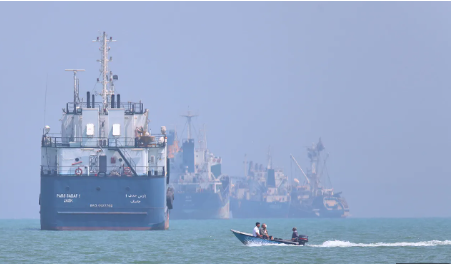
The news comes as the U.S. and Iran say they’ve reached a deal that’s expected to end the war and allow more ships into the Strait of Hormuz, which has been a key oil shipping chokepoint since the war’s start.
