U.S. consumer prices increased in December, lifted by higher costs for rents and food as some of the distortions related to the government shutdown that had artificially lowered inflation in November unwound, cementing expectations the Federal Reserve would leave interest rates unchanged this month.
But rate cuts this year remain on the table, with the report from the Labor Department on Tuesday showing moderate underlying inflation pressures last month, which economists said suggested the import tariffs pass-through to prices was slowing. Economists were split on whether inflation had peaked.
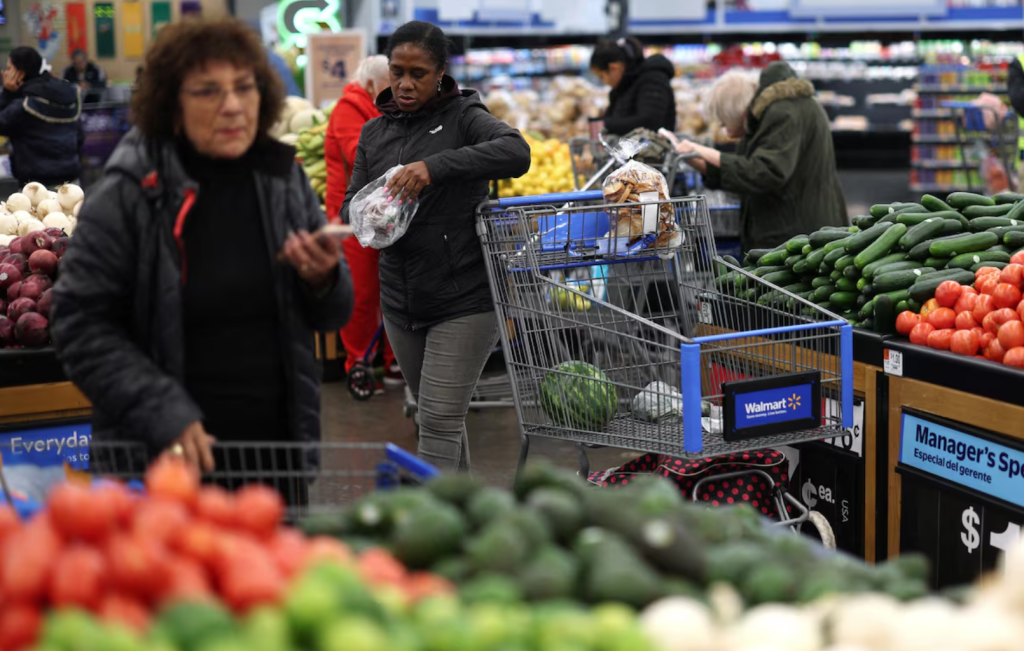
Nonetheless, expensive food, with prices increasing by the most in more than three years, and rents underscored the affordability crisis facing President Donald Trump, partly blamed by economists on the White House’s policies, including sweeping import tariffs.
Trump has made a flurry of proposals to lower the cost of living, including banning institutional investors from buying single-family homes, as well as instructing the Federal Housing Finance Agency – which oversees mortgage finance giants Fannie Mae and Freddie Mac – to purchase $200 billion of bonds issued by the two companies in a bid to bring down mortgage rates.
Food prices surged 0.7%, the largest gain since October 2022. There were notable increases in the prices of fruits and vegetables as well as dairy products. Beef prices, which have angered many Americans, rose 1.0%, with steaks soaring 3.1%. Steak prices surged 17.8% year-on-year in December, the largest advance in four years. Coffee prices rose 1.9%, reflecting tariffs. But egg prices decreased 8.2%.
The cost of food at restaurants and other outlets rose 0.7%, also the most since October 2022. Overall food prices increased 3.1% year-on-year in December. Trump has rolled back some agricultural tariffs to ease food prices. Economists said it would be some time before consumers see the effects.
Energy prices increased 0.3% as a 4.4% surge in natural gas prices offset a 0.5% decline in gasoline. Electricity prices eased 0.1%, but climbed 6.7% year-on-year, reflecting increased demand from data centers amid an artificial intelligence investment boom.
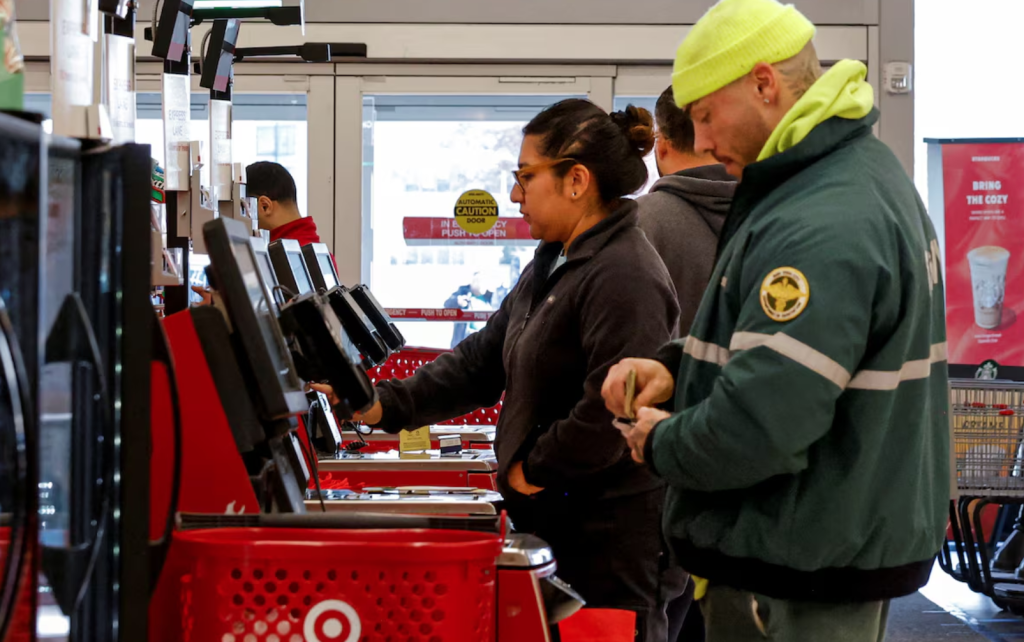
In the 12 months through December, the CPI advanced 2.7%, matching November’s gain. The increase in the CPI was in line with economists’ expectations.
The BLS estimated the CPI rose 0.2% from September to November. The 43-day shutdown prevented the collection of prices for October, resulting in the BLS using a carry-forward method to impute data, especially for rents, to compile November’s CPI report. While prices for November were collected, that was not until the second half of the month when retailers were offering holiday season discounts. The carry-forward imputation method treated October prices as unchanged.
