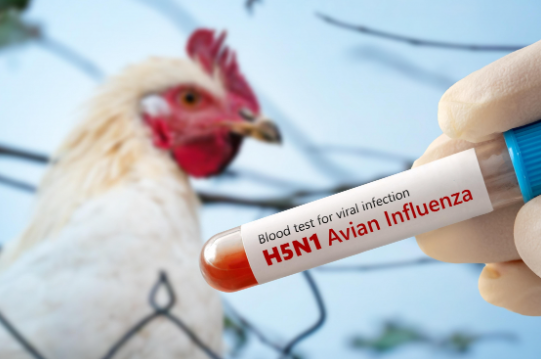
The first person to contract H5N5 avian influenza, a rare strain of the disease known as bird flu, died in Washington state Friday.
The state’s Department of Health said in a release the resident of Grays Harbor County was an “older adult with underlying health conditions” who had been hospitalized in King County since early November.
The department added that testing identified the virus as H5N5, the first such case in a human globally.
The Centers for Disease Control and Prevention (CDC) confirmed the result.
Bird flu is caused by influenza type A viruses, which occur in wild aquatic birds globally. The H5N1 strain of the disease has caused outbreaks among poultry worldwide, with outbreaks among U.S. dairy cows also resulting from it, according to the CDC.
Cases of H5N1 bird flu strains have also been reported in humans globally since 1997, with sporadic cases in the U.S. occurring since 2022, the CDC notes.
Since 2024, 71 H5N1 cases in the U.S. have been recorded by the CDC: 41 via exposure to cattle, 24 via exposure to poultry, three via other animals and three via unknown sources.
In January, the Louisiana Department of Health reported the first death of a person who contracted the H5N1 strain. That person was older than 65 and had underlying medical conditions.
The person in Washington had a “backyard flock of mixed domestic birds,” according to the state’s health department. Testing identified bird flu in the environment of the flock, indicating that the person was most likely exposed to the disease via domestic poultry, their environment or wild birds.
Others who were exposed to the flock and environment are being monitored for symptoms, the department added.
“The risk to the public remains low,” the department noted. “No other people involved have tested positive for avian influenza.”
“Public health officials will continue to monitor anyone who was in close contact with the patient for symptoms to ensure that human-to-human spread has not occurred. There is no evidence of transmission of this virus between people.”
Mild symptoms of bird flu, although varying from person to person, may include eye redness and irritation, mild fever, cough, sore throat, runny or stuffy nose, muscle or body aches, headaches and fatigue, according to the CDC. The predominant symptom among U.S. cases has been eye redness, with diarrhea, nausea or vomiting also occurring less commonly.
Moderate to severe symptoms, meanwhile, may include high fever or above, shortness of breath or difficulty breathing, altered consciousness and seizures.
The Washington health department said Friday that people with backyard poultry should avoid contact with sick or dead birds, avoid eating raw or undercooked food products, such as raw milk or cheese, and get a seasonal flu vaccine. The flu vaccine does not prevent bird flu infection, officials said, but it reduces a person’s risk of contracting the disease.
