A federal judge in Boston had some pointed words for Donald Trump as he issued one of the dozens of decisions by courts in four New England states against the Republican president in challenges to the legality of his policies.
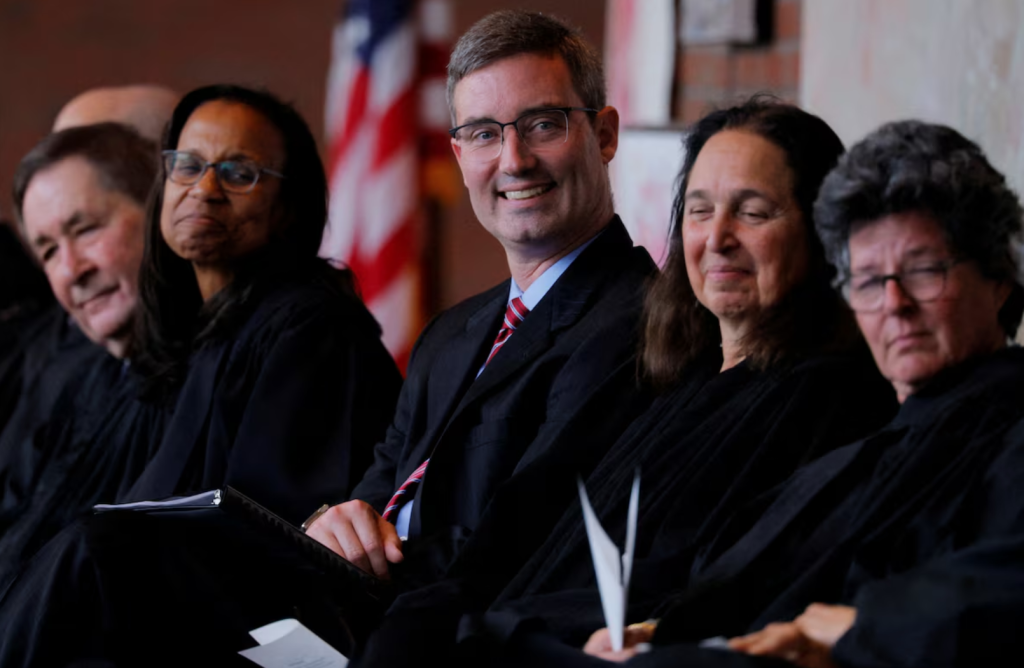
“I fear President Trump believes the American people are so divided that today they will not stand up, fight for and defend our most precious constitutional values so long as they are lulled into thinking their own personal interests are not affected,” U.S. District Judge William Young wrote in ruling that Trump’s administration was violating free speech rights, opens new tab by moving to deport non-U.S. citizen pro-Palestinian activists at American colleges.
Young’s September 30 ruling was an example of how federal judges in Massachusetts, Rhode Island, New Hampshire and Maine have become key players in the legal wars over Trump’s policies since he returned to office in January, as litigants seek a friendly venue to challenge the president.
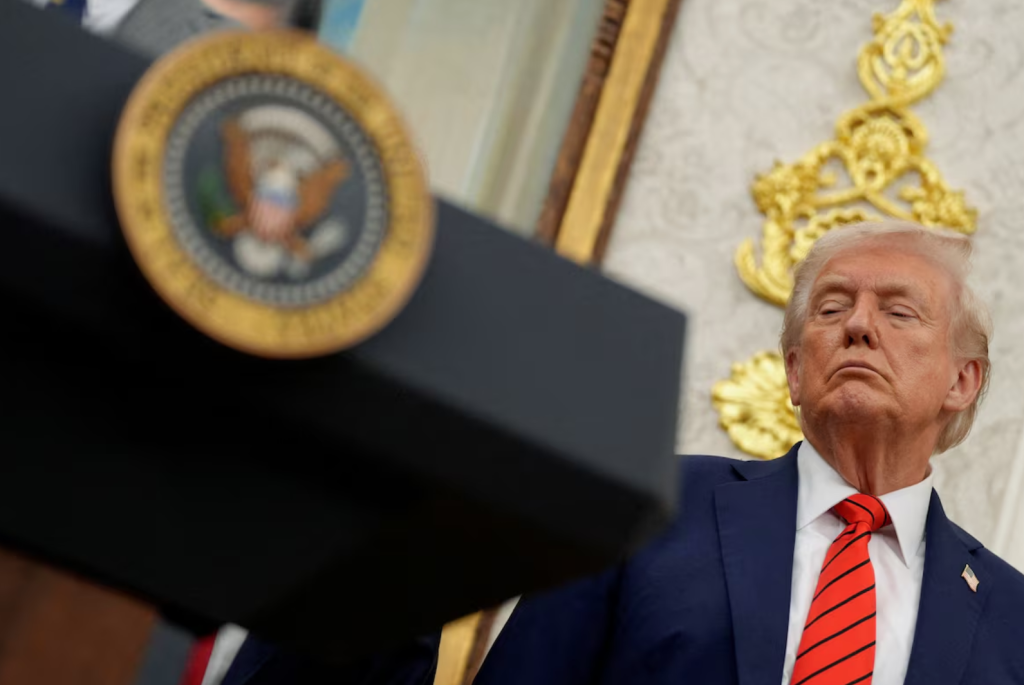
A Reuters analysis found that at least 72 lawsuits challenging Trump’s policies have been filed in federal courts in those four states by plaintiffs, including Democratic state attorneys general, advocacy groups and institutions targeted by the administration. Trial court judges have made at least an initial decision in 51 of those cases, ruling against Trump in 46 of them, the analysis showed.
These have included challenges to Trump’s policies to restrict birthright citizenship, gut the U.S. Department of Education, revoke the legal status of thousands of migrants and fast-track deportations of migrants to countries other than their own – so-called “third countries” – including politically unstable South Sudan.
While nationwide the U.S. judiciary is closely divided among judges appointed by Democratic and Republican presidents, in these four states 17 of the 20 active federal trial judges are Democratic appointees. These states fall under the umbrella of the Boston-based 1st U.S. Circuit Court of Appeals, whose five active judges all were appointed by Democratic presidents while a Trump nominee awaits Senate confirmation.
“I don’t think there is another court that, in terms of composition, has those sorts of odds for groups advocating on the liberal side,” University of Virginia law professor Payvand Ahdout said of the 1st Circuit.
Ahdout said the ideological composition of that appellate court has turned the New England federal trial courts below it into attractive litigation venues offering the “best shot” for challengers to Trump’s policies.
The 1st Circuit, in handling Justice Department appeals of rulings by these trial judges against the president’s policies, has issued 15 decisions, granting the administration’s request to set aside judicial orders only three times.
To be sure, the 1st Circuit does not have the final word on cases. It is one of the 12 regional federal appellate courts that cover specific geographic areas of the United States. All of these are one step below the U.S. Supreme Court, whose 6-3 conservative majority has moved American law dramatically rightward under Chief Justice John Roberts.
The administration repeatedly has gone to the Supreme Court with emergency requests to implement policies impeded by lower courts, and the justices have almost always backed Trump. The Supreme Court already this year on seven occasions fully or partially put on hold judicial orders against Trump policies arising out of the 1st Circuit’s jurisdiction in cases concerning the Department of Education, legal status of migrants and third-country deportations.
