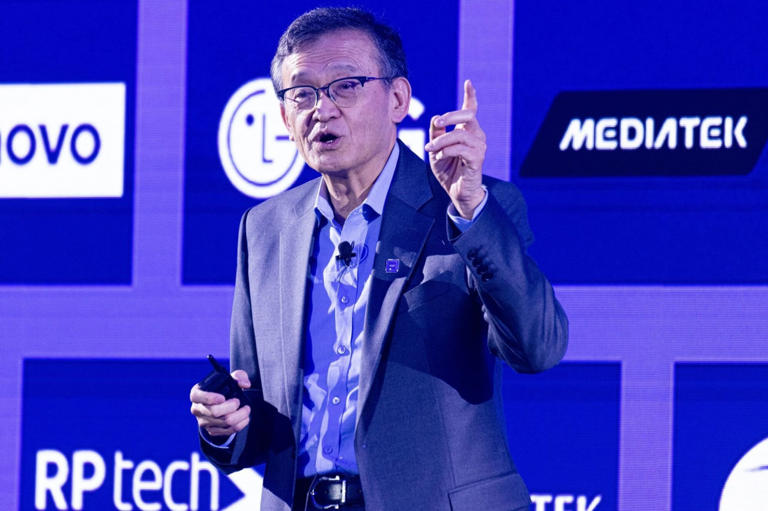
Intel CEO Lip-Bu Tan is set to visit the White House Monday after President Trump called for his removal last week over ties to Chinese businesses, according to people familiar with the matter.
Tan is expected to have a wide-ranging conversation with Trump, with the intent of explaining his personal and professional background, the people said. He could also propose ways that the government and Intel could work together, they said.
Tan hopes to win Trump’s approval by showing his commitment to the country and pledging the importance of keeping Intel’s manufacturing capabilities as a national security issue, one of the people said.
Trump has aggressively pushed U.S. companies to make changes ranging from eating the cost of tariffs to doing business with more conservatives and other political allies. Trump’s singling out of Tan came the day after he exempted tech companies such as Apple from new tariffs on semiconductors—on the condition they increase their investments in the U.S.
“The CEO of INTEL is highly CONFLICTED and must resign, immediately. There is no other solution to this problem,” Trump wrote in a post on Truth Social on Thursday. The post came a day after Sen. Tom Cotton (R., Ark.) published a letter he sent to Intel board chairman Frank Yeary expressing his concerns about Tan’s China ties.
Tan is Malaysian born and later became an American citizen. Scrutiny of his business dealings appears to be tied to a recent development involving Cadence Design Systems, the company he led until 2021 as well as his venture-capital firm’s investments in Chinese companies.
Cadence last week agreed to plead guilty and pay more than $140 million to resolve Justice Department charges for selling its chip-design products to a Chinese military university.
Tan took over as CEO of Intel in March following the exit of Pat Gelsinger last year. Investors cheered Tan’s arrival after Gelsinger had been unable to revive Intel’s falling stock price, given Tan’s experience having turned around Cadence Design and his relationships across the tech industry.
But the first few months of his tenure have been marked by a clash with some members of the board, including Yeary, over the company’s strategy, The Wall Street Journal reported Thursday.
Intel had already made plans to make significant U.S. investments under former President Joe Biden. It pledged to spend $100 billion over five years to bolster U.S. chipmaking capacity as it became the biggest recipient of funding from Biden’s Chips Act.
Tan has been focused on reviving Intel’s manufacturing operations. He has been aiming to find external customers for the foundry business that will help justify the massive expenses associated with such investments.
As it stands, most of Intel’s foundry revenue comes from manufacturing its own chips. Late last month, Intel said it would further slow the construction of its large-scale semiconductor manufacturing plants in Ohio to better align with customer demand. The lack of progress there has frustrated politicians, including Sen. Bernie Moreno (R., Ohio).
Tan said in a message to Intel employees Thursday evening that the U.S. has been his home for more than 40 years and that Intel has engaged with the administration to ensure “they have the facts.”
“Over 40+ years in the industry, I’ve built relationships around the world and across our diverse ecosystem—and I have always operated within the highest legal and ethical standards,” he said.
