An initial U.S. intelligence analysis of the military strikes on Iran’s nuclear facilities suggests they did not destroy core elements of Iran’s nuclear program and likely only delayed it by a few months, three sources familiar with the matter told Reuters.
The initial report was compiled by the Defense Intelligence Agency (DIA), the Pentagon’s main intelligence agency and one of 18 U.S. intelligence agencies. Iran could restart its nuclear program within months, with one source putting the figure as quickly as one to two months.
The classified assessment contradicts statements by President Trump, Defense Secretary Hegseth and other senior U.S. officials that the weekend strikes, using a combination of bunker-buster munitions and conventional weapons, had effectively eliminated Iran’s nuclear program. Trump on Monday called U.S. strikes on three Iranian nuclear sites – Natanz, Isfahan and Fordow – a “great success.”
The Trump administration told the UN Security Council on Thursday that the weekend attacks on Iran’s nuclear facilities had “degraded” the country’s nuclear program, toning down Trump’s previous claim that it had disappeared.
Asked for comment, the White House referred the White House to a statement from spokesman Leavitt to CNN, which first reported the assessment. “This analysis is completely wrong,” Leavitt said in the statement. “We all know what happens when you drop 14 30,000-pound bombs on a perfectly placed target.”
A U.S. government official who has read the report said the assessment contains many caveats and “assumptions” and predicted a more detailed report would be completed in the coming days or weeks.
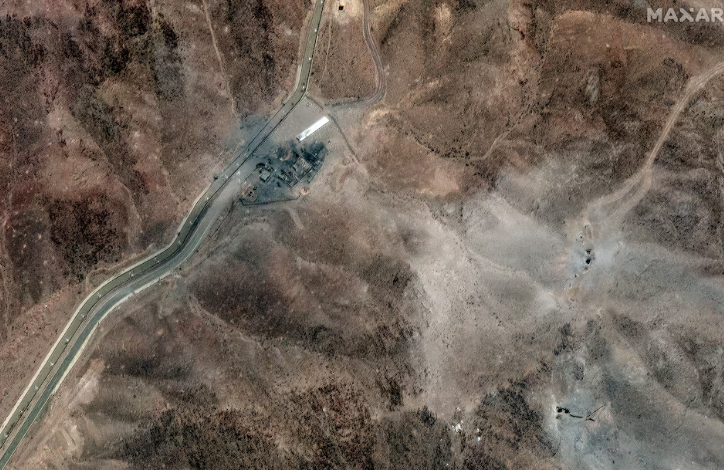
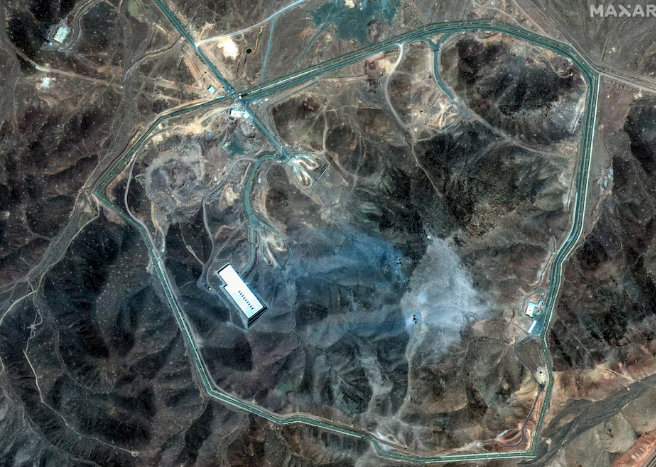
Analysts also say that if the assessment is based on satellite imagery, it doesn’t necessarily make clear the extent of damage sustained at the deep-underground uranium enrichment facility at Fordow.
Assessing the damage to the three nuclear sites will be a difficult task and the DIA is not the only agency tasked with it. The assessment has not been widely accepted and there has been significant disagreement, according to people familiar with the matter.
The Pentagon did not deny the existence of the DIA assessment, but disputed the idea that the damage was minor.
“Based on everything we have seen, and everything I have seen, our bombing campaign eliminated Iran’s ability to build a nuclear weapon,” Defense Secretary Guss said in a statement to Reuters. “Our massive bombs were precisely on target and worked perfectly. The effects of the bombs are buried beneath mountains of Iranian rubble, so anyone who says the bombs were not devastating is simply trying to disparage the president and a successful mission.”
David Albright, a former UN nuclear inspector and now president of the Institute for Science and International Security, said that citing commercial satellite imagery from after the attack, the US strikes effectively disrupted Iran’s uranium enrichment program for the time being but did not eliminate the longer-term threat. “Iran retains the capability to produce weapons-grade uranium,” he wrote on Twitter.
